
Uncategorized
Online Fax Service Pricing: A Practical Guide for Businesses
Understanding Online Fax Service Pricing: A Practical Guide
What Is an Online Fax Service?
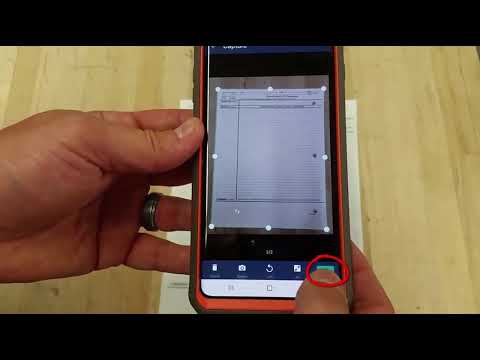
An online fax service, sometimes called e‑fax, lets you send and receive faxes through the internet instead of using a traditional phone line and fax machine. Documents are uploaded from a computer, smartphone, or tablet, then delivered to the recipient’s fax number as a digital file. The service provider handles the conversion, routing, and delivery, which eliminates the need for bulky hardware and paper.
For U.S. businesses, this means you can keep a fax capability without maintaining a dedicated line, saving space, maintenance costs, and the headache of managing physical fax machines. Most services also include a web‑based dashboard where you can track incoming and outgoing pages, set user permissions, and integrate with cloud storage platforms.
Why Pricing Matters for Businesses
Fax remains a compliance tool in many regulated industries, such as healthcare, legal, and finance. Because you may need to send a high volume of documents, the cost structure of an online fax service can directly affect your bottom line. Understanding the pricing model helps you forecast expenses and avoid surprise bills.
Moreover, the right pricing plan can align with your workflow. A small startup might only need occasional faxing and prefer a pay‑per‑page model, whereas a large enterprise with daily transmission needs may benefit from a flat‑rate subscription that caps expenses regardless of volume.
Common Pricing Models Explained
Pay‑Per‑Page
With a pay‑per‑page plan, you are charged a fixed fee each time a page is sent or received. This model offers flexibility for low‑volume users because you only pay for what you use. However, per‑page rates can add up quickly if your fax traffic spikes.
Monthly Subscription
Subscription plans provide a set number of fax pages each month for a flat fee. Some providers also include unlimited inbound pages while capping outbound pages. This model offers budgeting certainty and often includes additional features like digital signatures or cloud storage integration.
Hybrid Plans
Hybrid plans blend the two approaches: a base monthly fee covers a certain number of pages, and any usage beyond that is billed per page. Hybrid plans are useful for businesses with predictable core usage but occasional peaks.
| Model | Typical Cost Structure | Best For | Potential Drawbacks |
|---|---|---|---|
| Pay‑Per‑Page | $0.05‑$0.15 per page | Infrequent fax users, startups | Costs can rise quickly with high volume |
| Monthly Subscription | $10‑$30 per month for 100‑500 pages | Medium to large businesses with steady usage | May pay for unused pages if volume fluctuates |
| Hybrid | Base fee + $0.04 per extra page | Companies with predictable core usage plus occasional spikes | Complexity in tracking overage charges |
Key Features That Influence Cost
Beyond the raw price per page, several feature sets can affect the overall value you receive from an online fax service. Understanding these helps you compare providers on a level playing field.
- Secure Transmission: Encryption (TLS, SSL) and compliance certifications (HIPAA, GDPR) often add a premium.
- Dashboard & Reporting: Detailed usage reports and administrative controls can be included in higher‑tier plans.
- Integrations: Native connections to Google Workspace, Microsoft 365, or popular CRM systems may require enterprise pricing.
- Automation: Workflow automation (e.g., auto‑forwarding to email, trigger-based sending) can save time but may be priced separately.
- Support Levels: 24/7 phone support versus standard email support can influence the monthly fee.
How to Evaluate Pricing Against Your Business Needs
When you’re reviewing online fax service pricing, follow a systematic approach to ensure the plan you choose matches your operational requirements.
- Estimate monthly inbound and outbound page volume based on past fax traffic.
- Identify required features such as encryption, integration with existing tools, or advanced reporting.
- Calculate the total cost of each pricing model using your volume estimate.
- Factor in any hidden fees — for example, porting numbers or premium support.
- Compare the total cost against your budget and consider future scalability.
Hidden Costs and How to Avoid Surprises
Many providers advertise low introductory rates but add fees for things like number porting, premium templates, or overage charges. Always read the fine print. Some services also charge extra for international faxing or for storing scanned documents beyond a certain limit. To protect your budget, ask for a clear breakdown of any optional add‑ons before you commit.
Integration and Automation Considerations
Modern businesses often need their fax solution to talk to other software. If you use a CRM, you might want incoming faxes automatically attached to a lead record. Look for REST APIs, Zapier connectors, or built‑in integrations with platforms such as Microsoft Teams.
Automation can also reduce manual handling. For instance, an automated workflow might convert inbound PDFs to searchable text and store them in a SharePoint folder. While these capabilities boost efficiency, they can increase the subscription price, so weigh the productivity gain against the added cost.
Choosing the Right Plan – A Quick Decision Checklist
Before you finalize a selection, run through this checklist to verify that you’ve covered the most important aspects of online fax service pricing and functionality.
- Do the included pages match your projected monthly volume?
- Are security features (encryption, compliance) sufficient for your industry?
- Is the dashboard intuitive for your admin team?
- Do you need integrations with existing tools, and are they supported?
- What is the total cost after accounting for any add‑ons or overage fees?
- Is customer support responsive and available when you need it?
By answering these questions, you can select a pricing model that not only fits your budget but also supports your long‑term workflow requirements.
When you’re ready to compare providers, start with the best online fax service to see how their pricing aligns with the criteria outlined above.
Conclusion
Online fax service pricing is more than a simple dollar amount per page; it reflects a combination of usage volume, feature set, integration capabilities, and support level. By understanding the common pricing structures, evaluating hidden costs, and matching them to your specific business needs, you can make an informed decision that balances cost with performance.
Take the time to map out your fax volume, prioritize essential features, and use the checklist provided to guide your selection. The right plan will keep your communications compliant, reliable, and cost‑effective, allowing you to focus on what matters most—growing your business.
